Recycling and Sustainability at Tulse Hill Carpet Cleaners
 At Tulse Hill Carpet Cleaners, sustainability is built into the way we plan every clean, collection, and disposal decision. Our approach to recycling is designed to keep usable materials in circulation for as long as possible, while reducing the amount of waste that ends up in landfill. We have set a clear recycling percentage target of 85% for recoverable waste streams, including packaging, reusable plastic containers, cardboard, metal fixtures, and selected cleaning material containers. By tracking what we collect and sort, we can measure progress and improve year by year. For local homes and businesses, that means a carpet cleaning service that is not only effective, but also aligned with the wider goal of a cleaner South London.
We work with a practical, borough-aware recycling system that reflects how waste separation is handled across the area. Different local authorities in and around Tulse Hill and Lambeth encourage residents and businesses to separate dry mixed recycling, food waste, general waste, and textiles more carefully, and we follow the same spirit in our operations. Wherever possible, our waste streams are pre-sorted so recyclable materials can be directed to the correct recovery route. This helps improve the quality of recycled material, reduces contamination, and supports the kind of local waste separation that borough collection services are increasingly focused on.
Our sustainability plan also includes using low-carbon vans for daily travel across the neighbourhood. These vehicles are chosen to reduce emissions on local routes, which is especially important in a busy residential area where short journeys can still create a large environmental footprint. By improving fuel efficiency and reducing unnecessary mileage, we lower the carbon impact of each job without affecting service quality. In practice, that means smarter route planning, fewer repeated trips, and a more responsible carpet cleaning operation from start to finish.
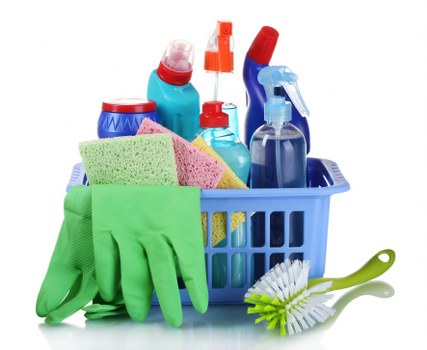 Another important part of our recycling and sustainability work is the way we handle materials that cannot simply be thrown away with general waste. We look for opportunities to reuse sturdy packaging, separate recyclable bottles and containers, and ensure that worn textiles or absorbent materials are handled properly. Many of the items associated with carpet cleaning, such as outer cartons, detergent bottles, and protective wrapping, can be recovered if they are kept clean and sorted correctly. We also keep an eye on regional recycling rules so that our process stays compatible with local transfer station requirements and changing borough guidance.
To support this process, we use local transfer stations where suitable recyclables and residual materials can be taken for further sorting and treatment. These facilities play a key role in South London’s waste network, allowing collected materials to move efficiently from local operations into broader recycling or recovery systems. For Tulse Hill Carpet Cleaners, this means we can keep our own handling chain relatively short and accountable. By directing waste through the right local channels, we support resource recovery while cutting down on avoidable transport emissions.
Our recycling targets are not just numbers on paper. They are monitored through routine checks, staff training, and internal waste logs that help us identify what is being diverted successfully and what still needs improvement. If a particular item or supply is repeatedly ending up in disposal rather than recycling, we review whether an alternative product, supplier, or storage method would work better. In this way, our carpet cleaning sustainability approach stays active and adaptive, rather than static.
 We also recognise the value of partnerships with local charities, especially those that can make good use of items that are still in usable condition. While carpets and upholstery do not always qualify for direct donation, related materials such as certain cleaning textiles, unopened household items, or serviceable equipment may be suitable for charitable reuse when they meet the right standards. Working with charities supports a circular economy mindset, giving useful goods a second life and reducing pressure on disposal systems. These partnerships reflect a broader commitment to responsible living in the community, not just responsible business practice.
Charitable collaboration is particularly meaningful in an area like Tulse Hill, where sustainability often overlaps with social value. When items can be repurposed through the right channels, they help local organisations stretch budgets and reduce waste at the same time. We take care to ensure that any donated item is suitable, safe, and appropriately prepared before it leaves our control. This careful approach keeps our sustainability efforts credible and practical, while also supporting the community networks that make local reuse possible.
We also aim to educate ourselves continually about recycling activity that is relevant to the boroughs we serve. South London waste services often emphasise correct sorting for paper, plastics, glass, metals, food waste, and textiles, and these categories influence how we think about our own operational waste. By aligning with borough-led separation practices, we reduce contamination and make it more likely that material collected during our work is actually recycled. That is especially useful where mixed loads can otherwise reduce the value of recovered material.
Environmental responsibility at Tulse Hill Carpet Cleaners is also about everyday decisions that add up over time. We try to minimise single-use items, select concentrated products where possible, and purchase supplies from manufacturers with stronger recycling commitments. Packaging is reviewed before purchase, and preference is given to materials that can be recycled easily or that use less raw material overall. Even small improvements, such as reducing excess wrapping or using refillable containers, can make a meaningful difference when repeated across many appointments.
We know that sustainability in carpet cleaning must be practical, not performative. That is why our waste management choices, from sorting to transport, are designed to fit the realities of local work. Low-carbon vans reduce travel emissions, transfer stations keep waste moving into the right recovery routes, and charity partnerships help extend the life of items that still have value. Combined with a recycling percentage target of 85%, these steps give our operation a clear environmental direction and a measurable standard to improve upon.
 For clients across the area, this means choosing a carpet cleaning service that values resource efficiency as much as results. We aim to keep the process straightforward: reduce waste where possible, separate what can be recycled, reuse what can be reused, and send the remainder through the most responsible local route available. That approach supports cleaner homes, lower environmental impact, and a better fit with the recycling expectations that continue to shape borough waste management across South London.
 Looking ahead, we will continue refining our recycling systems, expanding our community partnerships, and making our vehicle fleet even cleaner as better technology becomes available. Our long-term goal is to keep raising the percentage of waste diverted from landfill while strengthening the local relationships that make sustainable operations possible. For Tulse Hill Carpet Cleaners, sustainability is not a separate policy; it is part of how we work every day, from the first journey to the final disposal step.